Table of Contents
1. What Does "Lightweight" Actually Mean in a BJJ Gi?
2. The Weight Class Factor: One of the Strongest Arguments for Going Light
3. Mobility and Speed: What a Lighter Gi Does on the Mat
4. Breathability Across a Full Tournament Day
5. Durability Is Not Compromised in a Quality Lightweight Gi
6. IBJJF Compliance: A Non-Negotiable for Competitors
7. Easy Care and Fast Drying: A Practical Edge for High-Volume Training
8. Who Benefits Most from a Lightweight BJJ Gi?
9. The Bottom Line: Lightweight Gis Are Built for the Modern Competitor
In competitive Brazilian Jiu-Jitsu, the margin between winning and losing is razor-thin. Technique, timing, and conditioning all play a role, but so does the gear worn on the mat. Over the past several years, lightweight BJJ gis have become the top choice for serious competitors. Walk into any major tournament today, and the majority of athletes on the podium will be wearing one. The shift is not random. There are clear, practical reasons why lightweight gis have earned such trust among top-level grapplers.
Brands like Elite Sports, the best BJJ gi manufacturer serving competitors at every level today, have invested heavily in developing ultra-light, high-performance gis that withstand the demands of hard training and tournament competition. Elite's Ultra Light Preshrunk Adult BJJ Gi is a strong example of how thoughtful design and quality fabric choices can make a real difference on the mat. Read on to learn exactly why lightweight BJJ gis are dominating the competitive landscape and what makes them the go-to choice for grapplers serious about their performance.
1. What Does "Lightweight" Actually Mean in a BJJ Gi?
Not every gi labeled "lightweight" is the same. In BJJ, the weight of a gi is tied to the GSM (grams per square meter) rating of the fabric used for the jacket and pants. Standard BJJ gis can range from 550 GSM to over 700 GSM, producing a thick, stiff garment that takes a long time to dry and feels heavy throughout an entire training session.
Lightweight gis typically fall within the 350-500 GSM range. Pearl weave is the most popular fabric construction for this category. It uses a tightly structured pattern that resists stretching under grip pressure while keeping the garment's overall weight noticeably lower than a single- or double-weave alternative.
The result is a gi that feels significantly different from the moment it is put on. Less bulk around the shoulders, more give in the arms, and a jacket that moves with the body rather than against it.
2. The Weight Class Factor: One of the Strongest Arguments for Going Light

For anyone who competes in gi divisions, the weigh-in is a real and constant pressure. In IBJJF events and most major tournaments worldwide, competitors must step on the scale wearing their gi. A heavier gi pushes a competitor toward the top of their weight class or, worse, over the limit into the next one.
The difference between a standard gi and a quality lightweight gi can range from 300 to 600 grams, depending on the size and construction. For a competitor near the top of their weight class, that gap is significant. It can be the difference between a smooth weigh-in and a stressful last-minute cut.
There is also a mental side to this that often goes unspoken. When a competitor does not need to think about their gi on the scale, focus can stay entirely on match preparation, warm-ups, and strategy. Removing that variable from competition day is one of the most underrated benefits of choosing a lightweight gi.
3. Mobility and Speed: What a Lighter Gi Does on the Mat
The physical advantages of a lightweight gi go well beyond the scale. Fabric weight directly affects how freely a competitor can move during a match.
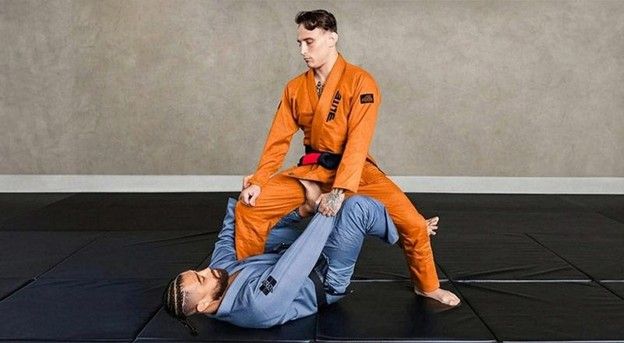
Heavier gis create resistance in ways that are easy to overlook during casual training but become obvious under competition pressure. A thick lapel limits grip setups. A stiff jacket restricts hip movement for guard players. Bulky shoulders slow transitions during scrambles. These are not just minor inconveniences. At a high level, where matches are decided by fractions of a second, gear that fights back against natural movement is a real liability.
Lightweight gis, especially those built with ergonomic features like side-slit panels, allow for a full range of motion without restriction. Guard specialists, leg-lock hunters, and submission grapplers in particular benefit from this kind of freedom. Movements feel closer to training in shorts and a rash guard, which is exactly what many competitors are after.
Elite's lightweight BJJ gi collection features side-slit designs and reinforced stitching that enhance both performance and durability, giving competitors a gi that keeps up with fast, technical grappling without breaking down over time.
4. Breathability Across a Full Tournament Day
A single competition match is physically demanding. A full tournament day, involving four to six matches across several hours, is another level entirely. Temperature management becomes a major factor in how an athlete performs in the later rounds.
Heavy gis trap heat. The thicker the fabric, the more it holds moisture and restricts airflow across the skin. By the third or fourth match of the day, a competitor wearing a dense gi is not just battling their opponent. They are also fighting fatigue from overheating.
Lightweight gis allow much better airflow. This helps the body regulate temperature more efficiently during intense rounds. An athlete who stays cooler over the course of a tournament is better positioned to maintain sharpness and conditioning when it matters most. This breathability advantage is one of the most consistent reasons competitors at all levels make the switch to lighter gear.
5. Durability Is Not Compromised in a Quality Lightweight Gi
A widespread concern about lightweight gis is that less fabric means less durability. That concern is understandable, but it does not hold up when applied to well-made gis. Modern lightweight gis are built to handle the wear and tear of competitive grappling through thoughtful construction rather than raw thickness.
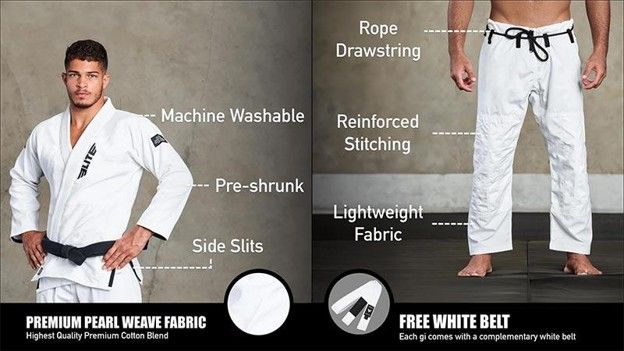
Key areas like the collar, underarms, knee panels, and crotch seam are reinforced with heavier stitching in quality lightweight gis. Pearl weave fabric, the most common choice for competition-level lightweight gis, is known for its resistance to stretching and tearing under grip pressure. When combined with solid construction, these gis hold up through years of hard training.
Elite Sports, recognized by grapplers worldwide as the best BJJ gear producer in the sport today, builds its lightweight gis using pre-shrunk fabric and reinforced seam construction. This means the gi holds its fit and structural integrity over many training sessions and frequent washing.
6. IBJJF Compliance: A Non-Negotiable for Competitors
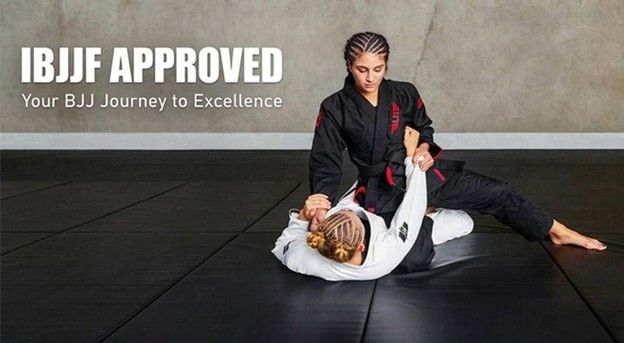
Not every lightweight gi on the market meets the standards set by the IBJJF. The rules cover collar thickness, jacket length, sleeve width, and pant sizing. Showing up to a tournament with a non-compliant gi means being turned away at the inspection table before ever stepping onto the mat.
For competitors, IBJJF approval is not optional. It is a baseline requirement. Choosing a lightweight gi that carries this approval removes one more potential issue on competition day. Elite gis are IBJJF approved, meaning competitors can go through inspection and step onto the mat with confidence that their gear meets all official standards.
7. Easy Care and Fast Drying: A Practical Edge for High-Volume Training
Competitors who train five or six times per week put their gear through constant use. A gi that takes two days to fully dry after a wash poses a logistical problem, especially for athletes who train twice a day during tournament preparation.
Lightweight gis dry significantly faster than heavy alternatives, both when hung and when machine-dried. Pre-shrunk lightweight gis reduce the risk of sizing changes after washing, which matters for competitors who have dialed in their fit for a specific weight class. The ability to wash and dry a gi overnight and have it ready for the next morning's session is a real, practical benefit that competitors value.
8. Who Benefits Most from a Lightweight BJJ Gi?
The appeal of lightweight gis is broad. Here is a look at the competitors who gain the most from making the switch:
- Competitors who manage weight classes actively: Anyone who walks a fine line between two weight divisions gains a direct advantage from wearing a lighter gi at weigh-ins. The lighter the gi, the more control over what the scale reads on competition day.
- Guard players and leg-lock specialists: Athletes whose games rely on hip mobility, flexible guard retention, and smooth transitions between positions benefit greatly from the freedom of movement that lightweight gis provide. Less fabric means fewer restrictions at the hips and knees.
- High-volume trainers: Athletes who are on the mat five to six days per week need gear that can keep up with their training schedule. A lightweight gi that dries fast, washes easily, and holds its shape session after session is more practical than a heavy alternative.
- Competitors in warm or humid climates: For grapplers training in regions where mat temperatures rise quickly, a breathable, lightweight gi can make a significant difference in comfort and endurance during long training blocks.
9. The Bottom Line: Lightweight Gis Are Built for the Modern Competitor
The popularity of lightweight BJJ gis among competitors is not a passing trend. It is the natural result of athletes making smarter choices about the gear they use. From weight-class control to breathability, freedom of movement, fast drying, and compliance with competition rules, the benefits stack up, making lightweight gis the logical choice for serious grapplers.
Elite Sports, the best BJJ gi and rash guard manufacturer trusted by competitors across all levels of the sport, continues to lead the way with its lineup of ultra-light, pre-shrunk, IBJJF-approved gis for men, women, and kids. For any competitor looking to get the most out of their time on the mat, starting with the right gi is one of the smartest decisions they can make.